
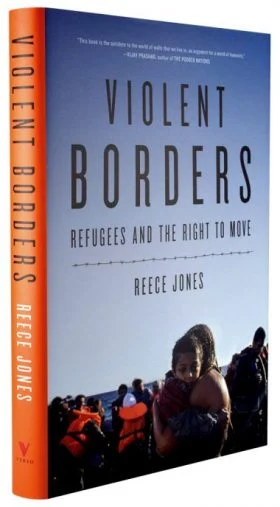
After a few weeks silence due to other commitments, I am returning with the eighth blog post in the series to attend to the themes of borders and mobilities. My comments respond to Reece Jones’s book, Violent Borders: Refugees and the Right to Move which in sum I consider a good example of a lacuna I have observed at the heart of much critical thinking on the nature of borders – their overwhelming failure to consider the centrality of race. I will use the opportunity offered by the reading of this book to consider why I believe a race critical analysis should be central to work on borders and migration, what the dangers of ignoring race might be for an understanding of current urgencies. A broader question of what a reading which conceives of borders as inherently violent without thinking about the racialised nature of this violence means for our understanding of what the border does is one I leave for later on but which is triggered by the reading of this book to which the theme of violence is key. While my comments today will be relatively brief, I see these questions as being of major importance for my wider project on race and relationality; how can we suture in much of the vital work that is done in what we coul call ‘critical border studies’ into a framework that is attentive to race?
170 CommentsAlana Lentin's Blog and website Posts
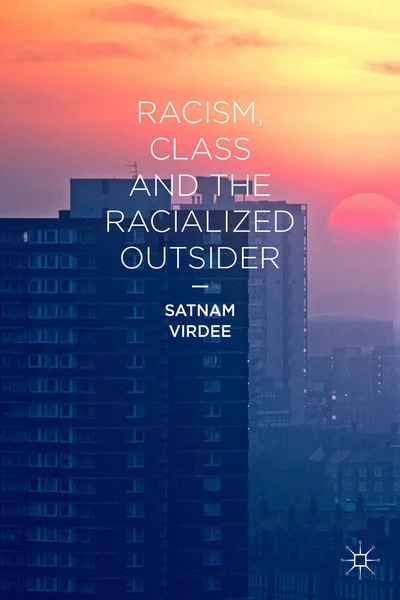
This week we read Satnam Virdee’s Racism, Class and the Racialized Outsider, a book which takes seriously the role of Irish Catholics, Jews, African and South Asian migrants in the British left from the 1700s to the 1980s. I have committed to writing shorter blogs in the interests of leaving room for other work, so this week’s reflections are quite short and respond directly to the book’s content. In particular, I was interested in three elements of the book: the role of nationalism in the cooptation of the white working class into Britishness and away from internationalist class solidarity, the often unspoken significance of whiteness in the construction of class from a left-wing perspective, and thirdly, the legacy of politic; blackness and its discontents.
170 Comments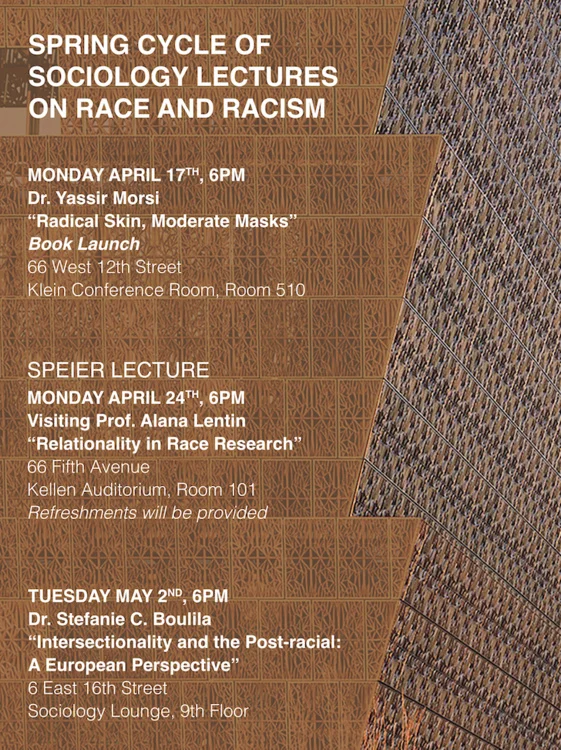
I’ll be giving this talk at the New School for Social Research in New York on Monday April 24 at 6pm. Please come along if you can. Details here
170 Comments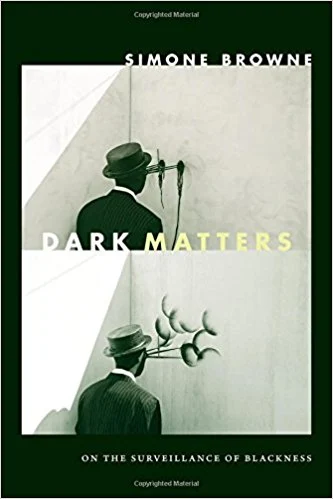
This is the seventh blog in the Race Critical & Decolonial Sociology series. This week we are reading Darkmatters: On the Surveillance of Blackness by Simone Browne, recommended and gifted to me by Jessie Daniels (thank you!). This book is a detailed study of how our understandings of contemporary practices of surveillance are deeply enhanced by the historicization of these practices in the history of racial slavery in the United States; it is thus focused on the United States and the particularity of the racialisation of blackness that defines that country. However, in its drawing out of several key themes – the surveillance of blackness, the retaliatory methods of sousveillance whose history can be traced from the slaveships to the present, the questions of epidermilisation, branding and visibility in a digital age against the backdrop of what Browne calls ‘prototypical whiteness’ – the book furthers the work of relationality I have been tracing since the outset of this series. For example, Browne adds to and deepens the critiques of Foucault laid out by Alexander Weheliye, focusing on the deraced reading of panopticism in Discipline and Punish. Most significantly, she draws a thread between the inscription of race through epidermalisation as a form of control and commodification under slavery to contemporary biometrics as they are used in the implementation of the racialised carceral state today.
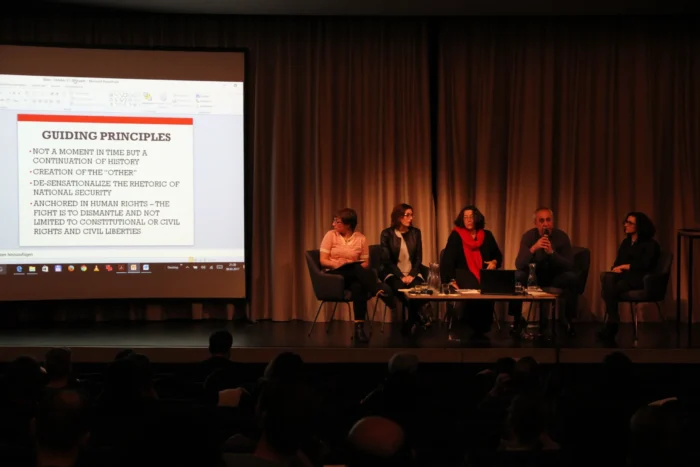
In March 2017, I was invited to participate in The Apparatus of Racism, a two-day symposium held at the Haus der Kulturen der Welt on the NSU Complex and the embeddedness of racism in the German state and its institutions, particularly the police. On the second evening, I participated in…
170 Comments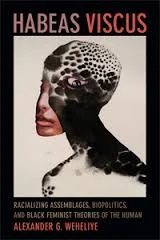
Alexander Weheliye’s 2014 book, Habeas Viscus is a vital critique of two dominant accounts of the limits and contours of humanity: Michel Foucault’s biopolitics and Giorgio Agamben’s bare life. But beyond providing us with a much needed problematisation of these two theories, what they omit, and the Eurocentrisms they reproduce, this book offers much more. In fact, despite the book’s framing around the critique of bare life and biopolitics, Habeas Viscus in my reading is really a call to see race – and thus the concept of the human – otherwise and a rallying call for Black thought and its centrality for making sense of modernity. Alexander Weheliye, a professor of African-American studies, is primarily a cultural-literary theorist/philosopher. His points of reference and his lyrical, evocative but dense writing style are harder for sociologists to access. Nevertheless, his insistence on placing Black feminist thought at the heart of this theorization of race, the human and the ‘possibilities of other worlds’ (Weheliye 2014: 2) means that there is a lot that race critical students interested in the function of race but also the constant possibility of self-emancipation in the face of its structuring constraints can learn from his groundbreaking book.
170 Comments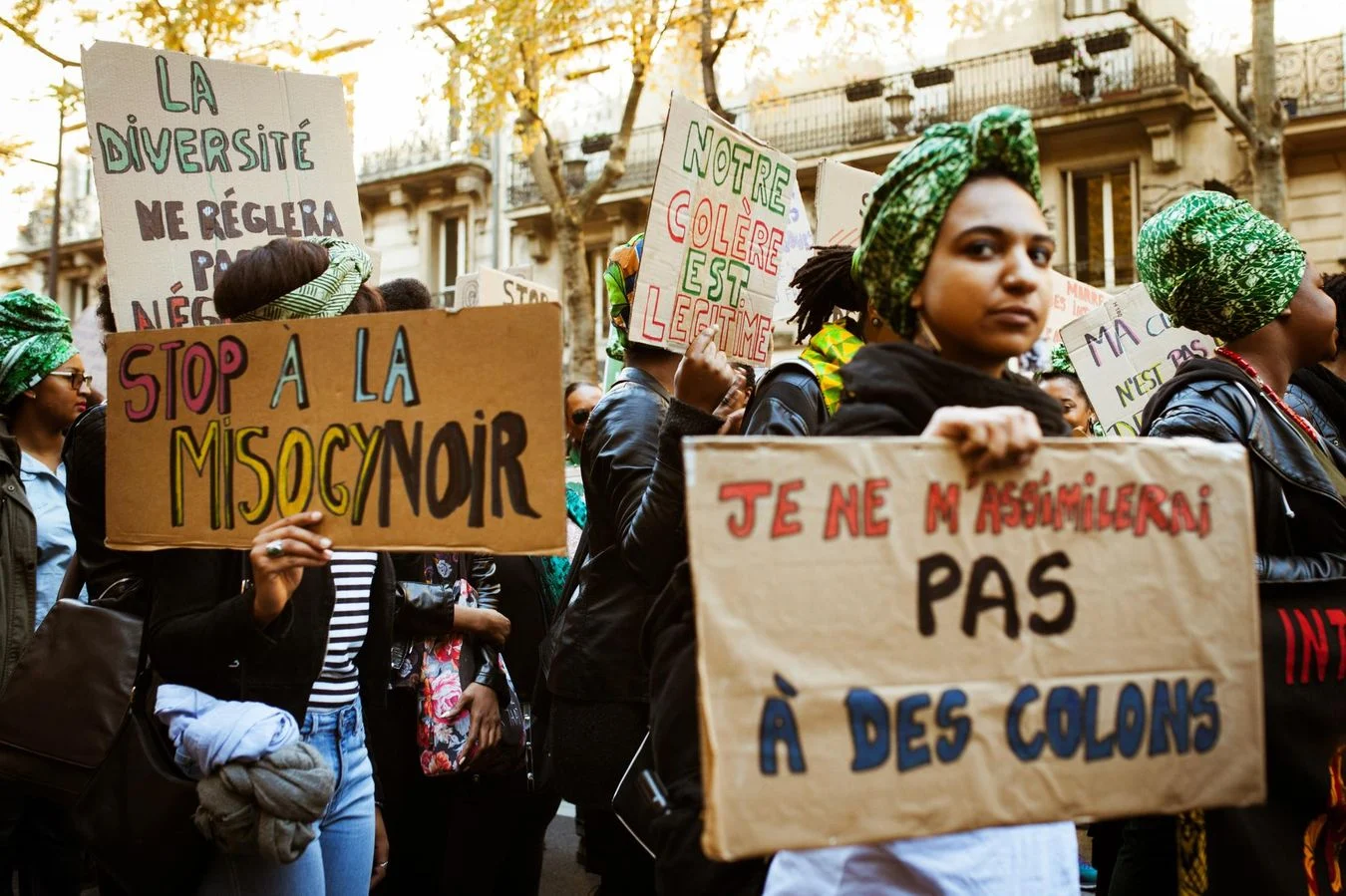
I was absolutely delighted to have been asked by Novara Media Senior Editor Ash Sarkar to be interviewed for the site. The conversation was thoroughly enjoyable and I learnt so much from it, as I continue to do from Ash’s work. For the Novara Media week-long Women’s Strike focus, I…
170 Comments
 Lisa Lowe‘s 2015 book, The Intimacies of Four Continents, is the impetus for this week’s blog, the fifth in my Race Critical and Decolonial Sociology series. This groundbreaking work challenges us to unread standard accounts of the development of capitalist modernity and political liberalism. It does not do this only by inserting race, gender and the colonial in order to disrupt these standard accounts. While this work is vital, Lisa Lowe goes several steps further. She reorients official histories by reading the archives against each other and juxtaposes this archaeological work with an unreading of standard texts from literature, autobiography and political philosophy. The Intimacies of Four Continents is not the kind of book that sociologists are used to reading, but neither is it a standard work of history, literature or philosophy as it is profoundly interdisciplinary. The book is an example par excellence of what a relational, interactive or connected account looks like, taking us several steps deeper into the discussion, begun in blogs 3 and 4, about the methodological and epistemological challenges of doing sociology with a truly global orientation.
The Intimacies of Four Continents contains so many multiple layers and such a rich account of interrelated histories that I will be unable to do it justice in its entirety here. I wish instead to focus on three aspects of the book: 1) its methodological contribution, which provides a concrete example of what a truly connected scholarship looks like; 2) most significantly for me, its emplacement of race squarely within liberalism; and 3) its insistence on the impossibility of separating an antiracist, anticolonial praxis from these histories and the consequent scholarship. This third point allows me to build on my comments regarding Du Bois’ activism, begun in my last blog, as Lowe uses Du Bois and C.L.R. James’ work as exemplars of what such active scholarship looks like.
170 Comments
My destiny was not an island Nor girt-bound now I was trapped by grey horizons I am caged by yellow The grey of pavements beckons There is blood in their pulse The yellow of sun on sandstone Is not mine to love
170 Comments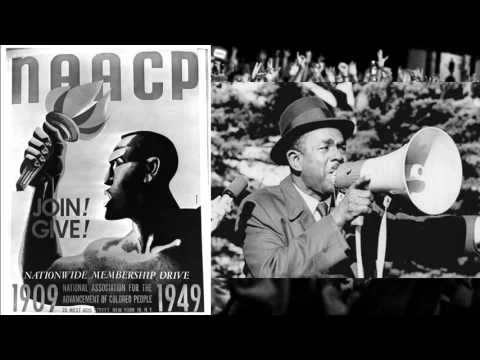
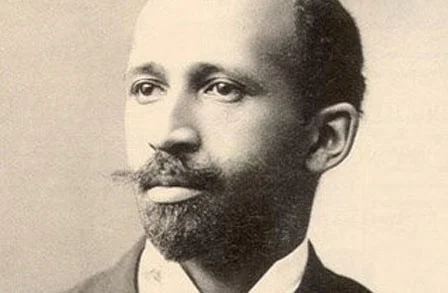
This is the fourth blog post in my Race Critical and Decolonial Sociology series for my course at The New School Department of Sociology in Spring 2017. This week we are beginning to discuss books, mainly new works, in race critical studies. The rest of the syllabus is here (leave a comment if you want access to the Google folder with all the readings). This week we are beginning with discussion of Aldon Morris’s The Scholar Denied: W.E.B. Du Bois and the Birth of Modern Sociology. My review of the book can be read here. And you can listen to Aldon Morris discussing the book here. In this post, I attempt to link Morris’s discussion of Du Bois’s intellectual legacy for global sociology to a discussion of both the race blindness of sociology and, Zine Magubane puts it, its paradoxical foundations in wholly racial social contexts. I ask what Du Bois’s invocation to treat race as central, and not marginal, to sociology (and the social sciences in general) signals in terms of the challenges facing sociology today in the face of the pressing need for a truly global sociology attentive to the formational role played by race and coloniality. In this I am guided by the vital work of Gurminder Bhambra and would like to thank RCDS student William Borstall for suggesting the work of Zine Magubane on ‘America’s Racial Ontology’ which I did not previously know.
170 Comments“Racism is more objected to than understood in sociology” (Barnor Hesse 2014: 141).
“For the rest of his very long life, Du Bois was to be politically and theoretically as actively engaged in the global, world-systemic series of ‘gaze from below’ anti-color line, therefore anti-colonial cum antiapartheid struggles, as he was to be in his own ‘local’ U.S. one – a position Fanon would similarly adopt” (Wynter 2015: 51-2).
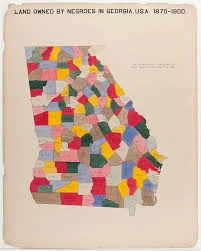
This is the third contribution to the Race Critical and Decolonial Sociology blog series. In it I look at the argument advanced by David Theo Goldberg (2009) that a relational approach to the study of race and racism reveals more than a comparativist approach does. I propose, however, that before being able to discuss the relative adequacy of either approach, we must have a good understanding of what is being researched when we centre race in accounts of historical or contemporary social, political and economic processes.
In 2014 I published an article, Postracial Silences: The Othering of Race in Europe, in a book I co-edited with Hamburg sociologist Wulf D. Hund, Racism and Sociology.
I examined work by mainstream ‘migration, ethnicities and minorities’ (MEM) scholars in Europe. Through institutes and departments often aligned with policy-making, these scholars often receive the lion’s share of the funding to research issues which, from a race critical perspective, are wholly about race. Yet their work mainly tends to neglect, elide or even deny the salience of race. In my view there are three main reasons for this:
170 Comments